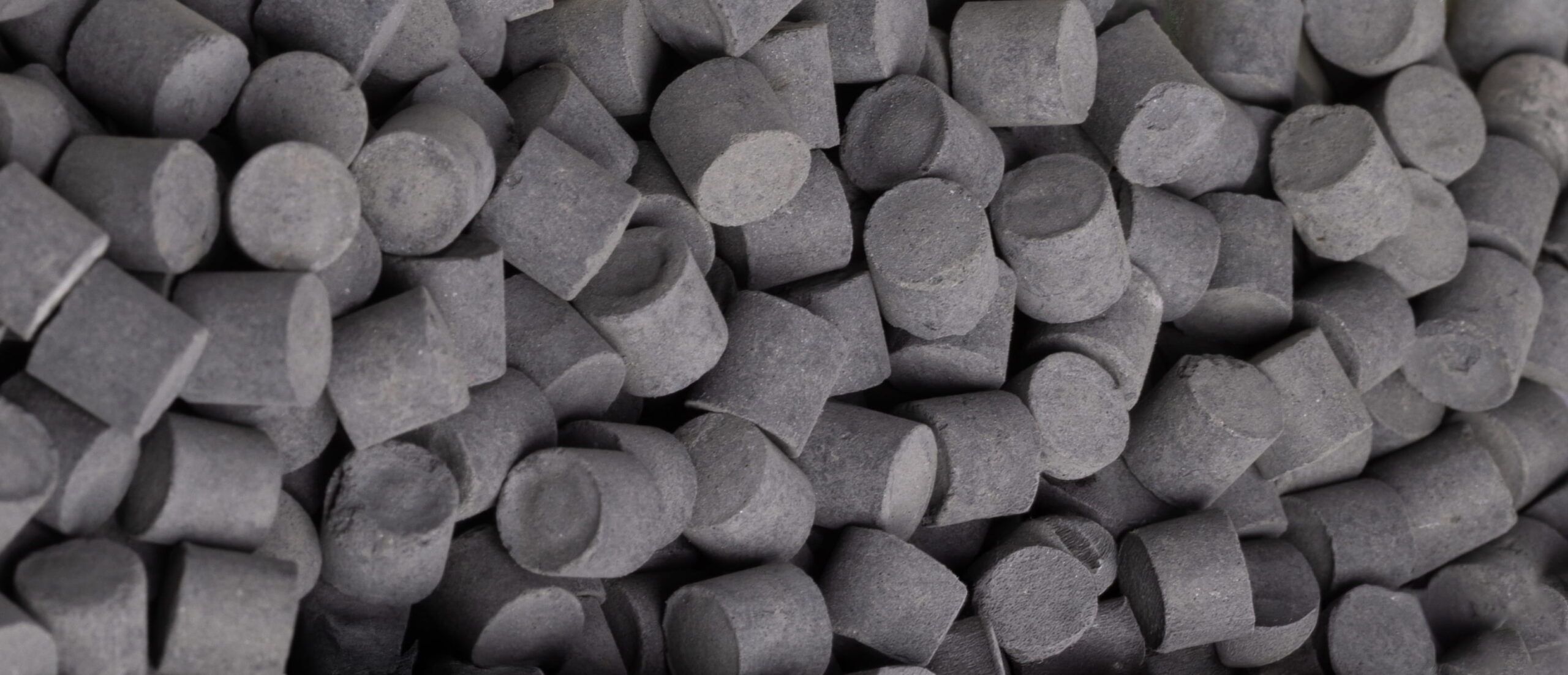
Catalyst Reactivity Testing
We provide catalyst testing for our industrial customers who use catalysts containing precious metals such as platinum, palladium, and rhodium. Our in-house laboratory delivers accurate performance data to support catalyst management, process optimisation, and recovery planning.
We provide catalyst testing for our industrial customers who use catalysts containing precious metals such as platinum, palladium, and rhodium. Our in-house laboratory delivers accurate performance data to support catalyst management, process optimisation, and recovery planning.
Catalysts degrade during service due to thermal stress, contamination, fouling, and structural change, resulting in reduced activity and variable process performance. Catalyst poisoning can also be identified, including deactivation caused by chemical species that reduce or permanently impair catalytic activity.
Our testing provides insight into catalyst reactivity and performance behaviour under operating conditions.
We also offer direct comparison against a standard new catalyst reference, allowing assessment of actual catalyst activity and performance decline over time.
This enables operators to assess catalyst effectiveness, optimise process efficiency, reduce operational risk, and plan maintenance or replacement strategies with greater certainty.
Sample Requirements
We require a small representative sample in dry condition.
- Recommended quantity: 150 g
- Samples should be supplied in a sealed plastic bottle
- Each sample must be clearly labelled, including:
- Date the sample was taken
- Position within the catalyst bed
Accurate sampling information is essential for meaningful performance comparison.
Turnaround Time
Testing is typically completed within 2 to 3 weeks from receipt of sample.
Catalyst Replacement Guidance
Where catalyst reactivity falls below 50% of the new catalyst benchmark, we generally recommend catalyst replacement or regeneration to maintain process efficiency and reduce operational risk.
Service Benefits
- Catalyst condition and structural assessment
- Reactivity and performance behaviour evaluation
- Comparison against new catalyst standard
- Identification of catalyst poisoning and deactivation mechanisms
- Optimised catalyst replacement and regeneration planning
- Reduced process inefficiency and operational risk
- Data-driven support for long-term operational planning
Get the technical data you actually need
Join our mailing list for monthly updates on industrial trends, equipment maintenance tips, and regional market shifts. Direct to your inbox, no filler.